Chapter 1: The Coimbatore Spark, March – 2026
The idea for the ultimate pilgrimage wasn’t born in a temple or a travel agency, it was born on the road to Coimbatore. Every great adventure has a turning point and mine happened during routine road trip. My friend, VGK Iyer and I were cruising down the highway, casually talking about travel and bucket lists. That is when he dropped a surprise: “I’ve actually already booked my trip to Mount Kailas.”
The words hung in the air. This wasn’t just a casual vacation. it was the ultimate 15-day, high-altitude pilgrimage via Kathmandu. He was ready to go, the dates were set and a mix of excitement and FOMO (fear of missing out) hit me right there in the driver’s seat. We didn’t wait. Right from the highway, we pulled out a phone and he dialled the tour organizers.
“Is there any chance you have room for one more?” he asked.
The suspense lasted only a few seconds before the organizer confirmed the news: exactly one seat was still available. It felt like a direct sign from the universe. Right there on the road to Coimbatore, my spontaneous leap of faith began. I booked the slot and my journey to the rooftop of the world was officially on.
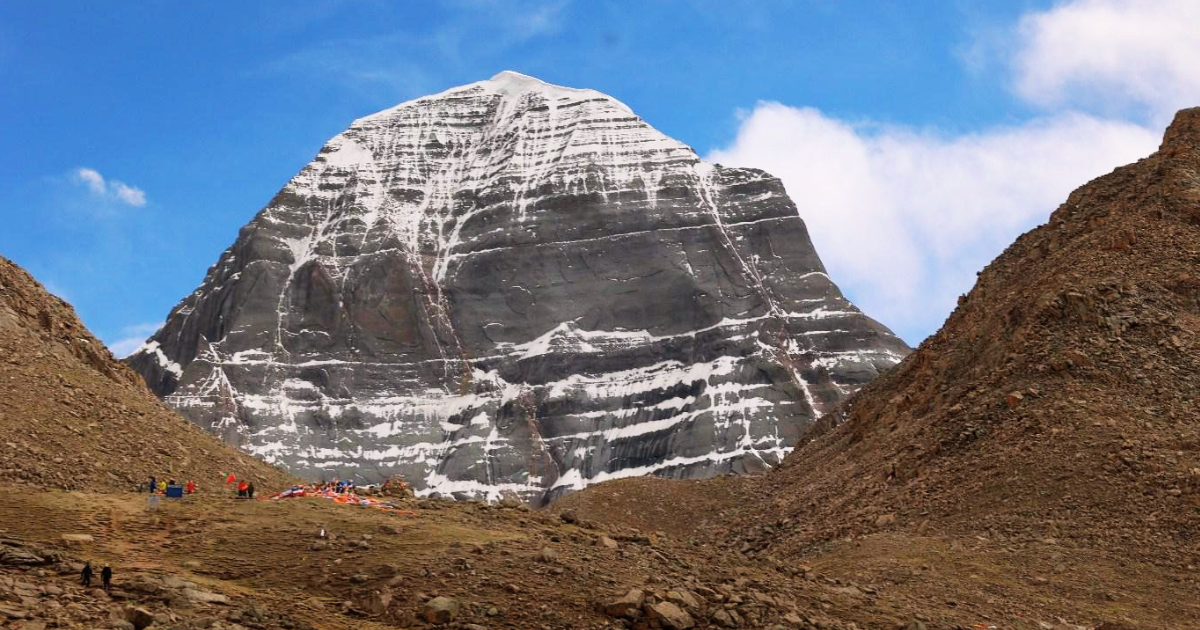
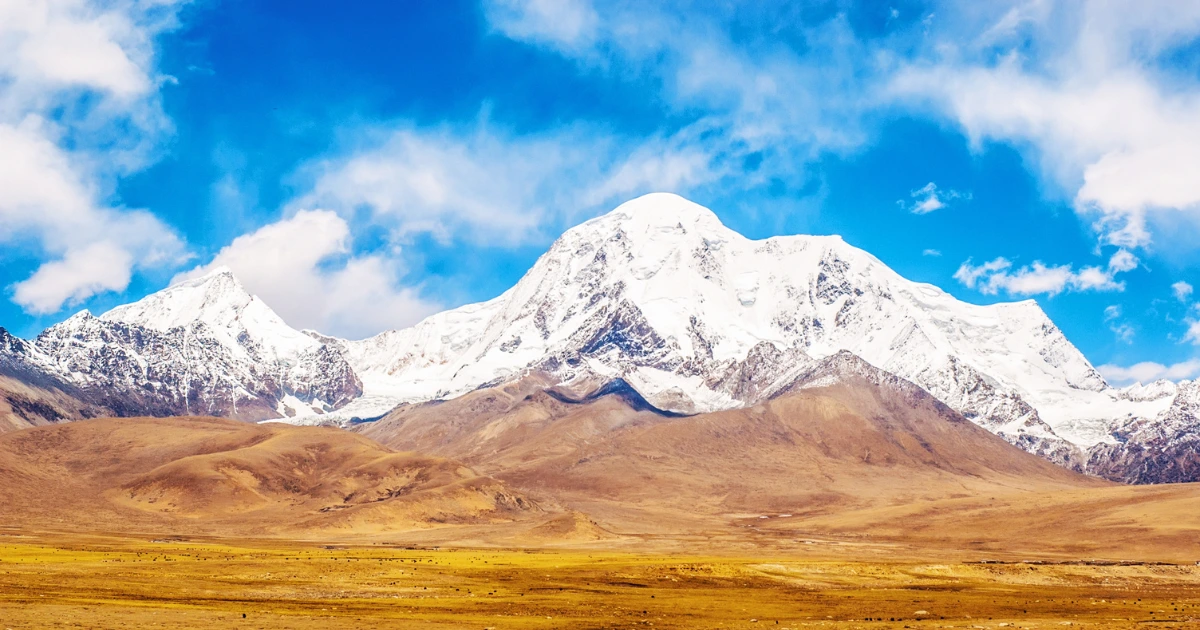
They say you do not choose to visit Mount Kailas; you are called to it. Revered by billions across four major religions, this ultimate pilgrimage is far more than a physical trek. It is a journey of deep devotion, fierce endurance and profound inner quiet. Stepping onto the dusty Tibetan trail for the gruelling 52-kilometer Circumambulation (Parikrama/ Kora) in the late May spring of 2026, I visualized the towering peak and knew this landscape would change me forever.
Critical Realities of the May-September Window & The Year of the Horse
- Optimal Weather: The late-May window offers some of the highest visibility of the year, providing pristine, unclouded views of golden face of Kailas before the summer monsoon clouds arrive.
- The Physical Toll: Crossing Dolma La Pass at over 18,500 feet requires peak respiratory health. Even with meticulous planning and support from experienced team guides, the combination of extreme altitude, cold mountain winds and rugged terrain is a true test of physical endurance.
- The Cosmic Multiplier: 2026 is uniquely extraordinary because it is the Tibetan Year of the Horse, an auspicious cosmic alignment that occurs only once every 12 years. Known across the Himalayas as the “Maha Kumbh of Kailas,” a pilgrimage during this specific year is considered the ultimate spiritual milestone. Completing just one single Parikrama/Kora around Mount Kailas in the Year of the Horse yields the same spiritual rewards as walking the circuit 13 times during normal years
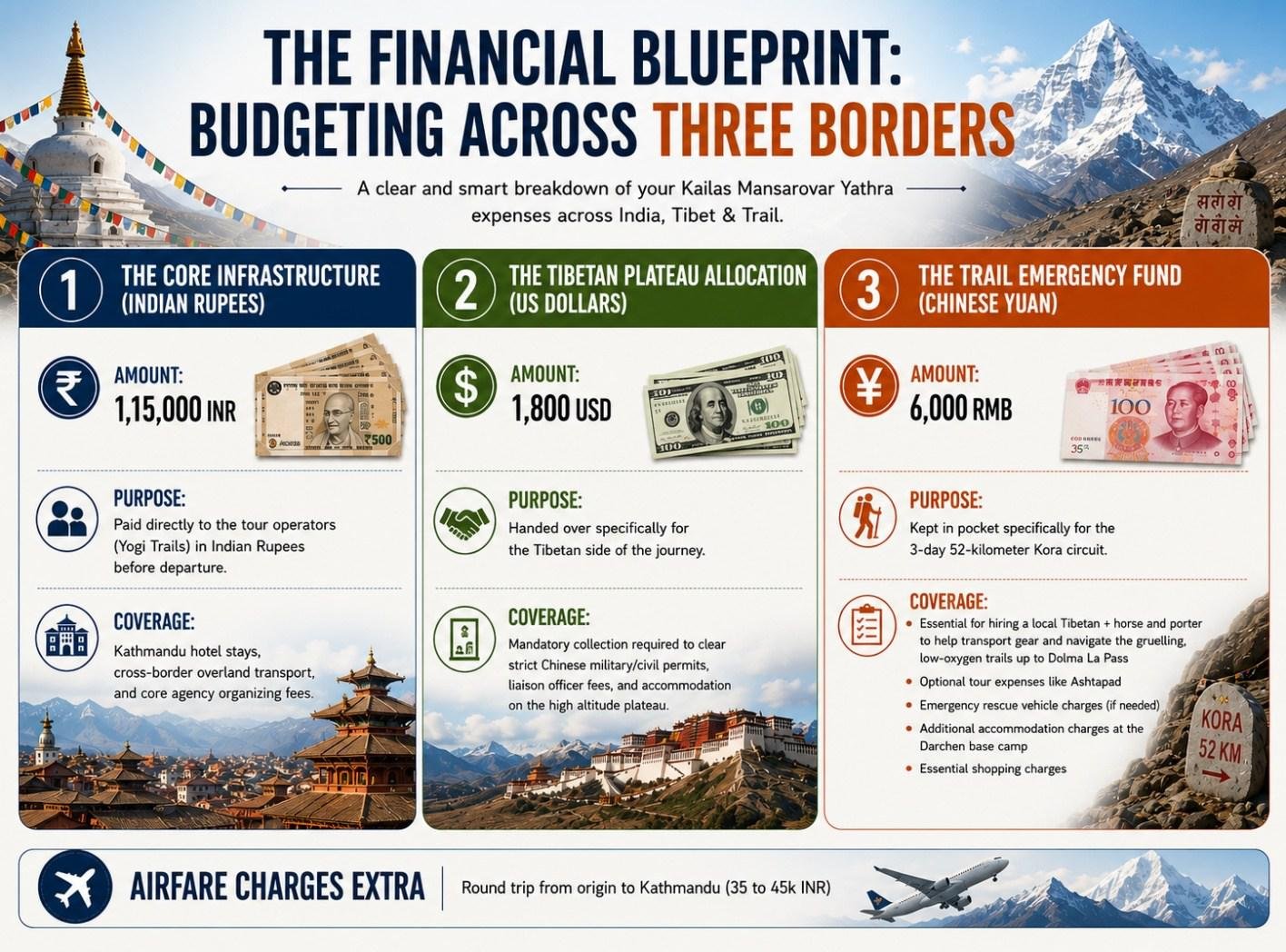
The Financial Blueprint: Budgeting Across Three Borders
- The Core Infrastructure (Indian Rupees)
- Amount: 1,15,000 INR
- Purpose: Paid directly to the tour operators (Yogi Trails) in Indian Rupees before departure.
- Coverage: Kathmandu hotel stays, cross-border overland transport and core agency organizing fees.
- The Tibetan Plateau Allocation (US Dollars)
- Amount: 1,800 USD
- Purpose: Handed over specifically for the Tibetan side of the journey.
- Coverage: Mandatory collection required to clear strict Chinese military/civil permits, liaison officer fees and accommodation on the high-altitude plateau.
- The Trail Emergency Fund (Chinese Yuan)
- Amount: 6,000 RMB
- Purpose: Kept in pocket specifically for the 3-day 52-kilometer Kora circuit.
- Coverage:
- Essential for hiring a local Tibetan + horse and porter to help transport gear and navigate the gruelling, low-oxygen trails up to Dolma La Pass
- Optional tour expenses like Ashtapad, Emergency rescue vehicle charges (if needed), additional accommodation charges at the Darchen base camp and essential shopping charges
Airfare charges extra round trip from origin to Kathmandu (35 to 45k INR)
Chapter 2: Preparation
The Lhasa Gatekeepers:
The first official step was transferring the advance payment to Yogi Trails to secure our permits, accommodation and transport slots. Once the funds cleared, the real paperwork marathon began. The tour team sent over a mountain of complex government applications requiring absolute precision. Professional histories, extensive travel backgrounds, recent health metrics and emergency contacts-every detail had to be flawlessly accurate. A single typo could mean instant rejection by foreign border authorities.
Our dossiers were submitted to Lhasa for official approval from the Tibet Tourism Bureau (TTB), the ultimate gatekeepers of the plateau. For days, we lived in a state of suspended anxiety, constantly checking our phones. The first collective sigh of relief came when digital copies of our Group Visa approvals finally flashed on our WhatsApp group screen.
But that milestone led to the most nerve-wracking part of the logistics: parting with our physical passports. Because the Chinese Embassy in New Delhi handles all Tibet group visas for Indian travellers, we had to courier our original documents away. Handing over my passport felt like temporarily losing my identity. The wait was agonizing; we found ourselves constantly refreshing courier tracking screens, knowing our entire dream sat inside a government building in Delhi.
Virtual Training Grounds & Raw Realities:
With our documents out of our hands, our relationship with the tour operators moved completely online. Our living rooms were systematically transformed into virtual training grounds through a series of intensive Zoom briefings. These sessions became our spiritual and practical anchors. Mrs. Saritha Iyer guided us through the Satsang sessions, helped us grounding our minds for the sacred journey ahead, Whilst Mrs. Asha Sreejith targeted instructional videos taught us the foundational breathing mechanics we would need to survive the thin air.
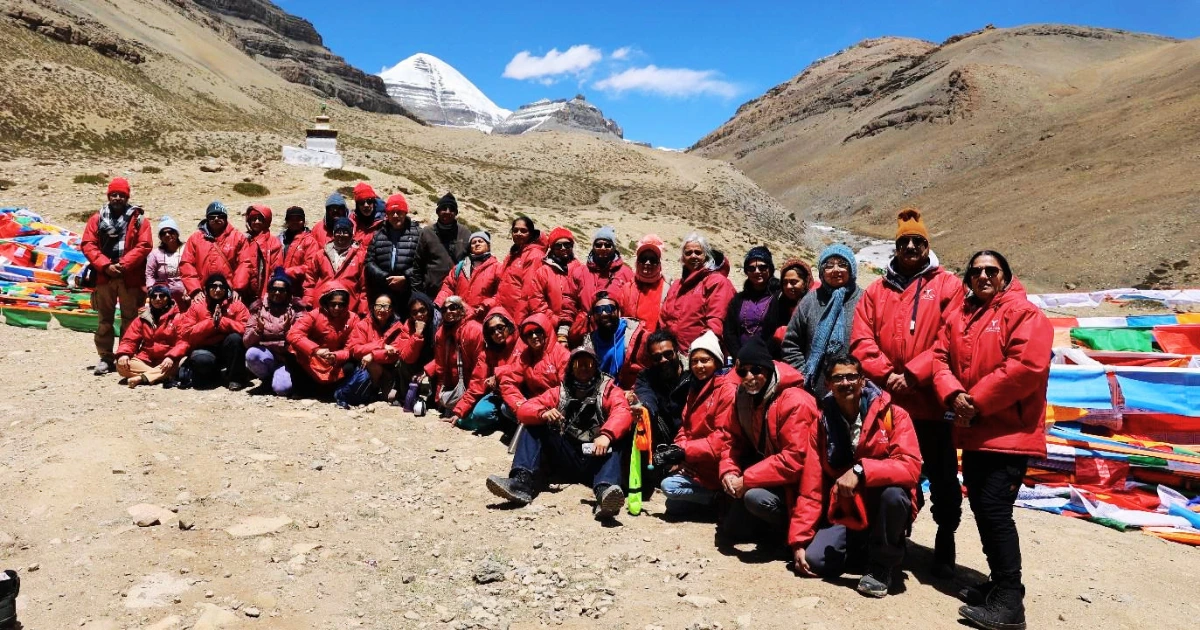
Logging into those calls with fellow pilgrims from across the country was an eye-opening experience. The operators didn’t sugarcoat anything. They laid out the raw, unvarnished reality of the Tibetan plateau: the biting, sub-zero temperatures, the complete lack of luxury in rustic plateau stays, the uncompromising nature of Chinese border checkpoints and the brutal physiological realities of extreme high altitude. Slide by slide, they walked us through the daily itinerary, focusing heavily on how to spot the early, subtle signs of Acute Mountain Sickness (AMS). Watching the grid of faces on my screen, I could see the exact same mix of nervous anticipation and quiet determination reflecting back at me.
Training the Lungs:
Critical takeaway from the briefings was a stark warning about lung capacity. At the summit of the Dolma La Pass (18,500 feet), every breath contains roughly half the oxygen molecules available at sea level. Your body cannot bargain with that reality; it has to adapt.
Thanks to the breathing exercises introduced by Asha Sreejith, my daily routine underwent a massive shift. I initiated a dedicated physical training regimen centered entirely around respiratory endurance. Every morning and evening began with focused Pranayama (deep yogic breathing techniques) paired with specific lung-expansion exercises. I practiced inhaling to maximum capacity, holding the breath to build oxygen efficiency and exhaling with absolute control.
It initially felt incredibly strange to train for the world’s most gruelling trek by sitting perfectly still on a floor mat. Yet, I practiced with a deep awareness that these quiet, disciplined breaths would be my absolute lifeline on the steep, frozen slopes of the Dolma La Pass.
Chapter 3: The Verdict of the Treadmill & The Medical Ordeal
Trading Dreams for Stethoscopes
A journey to Mount Kailas is a massive puzzle built on four distinct pillars: meticulous planning, bureaucratic permits, gruelling physical training and specialized packing.
Sourcing your gear is simply a matter of money, but passing the mandatory medical tests is a matter of pure survival. Yogi Trails maintained an uncompromising stance: without comprehensive medical clearance, nobody steps foot on the Tibetan plateau. The mountains do not forgive hidden health liabilities. Suddenly, my friend VGK Iyer and I found ourselves sitting inside a clinical diagnostics room, trading our expansive trekking dreams for the sterile reality of stethoscopes, electrodes and syringes.
The Three Pillars of Medical Clearance
1. The Blood Panel: Setting the Biological Baseline
The process began with a comprehensive series of blood tests. The doctors checked everything from lipid profiles to liver and kidney functions. I paid closest attention to my haemoglobin levels-the absolute engine room for carrying scarce oxygen through the bloodstream when the air thins out. Watching those vials fill up, the gravity of the situation fully hit me: this was an elite expedition requiring a flawlessly functioning body.
2. The TMT (Treadmill Test): Testing the Heart Under Stress
Next came the most nerve-wracking phase: the Treadmill Test (TMT), a cardiac stress test. The medical technician hooked electrodes across my chest and told me to start walking. Every few minutes, the automated system bumped up both the speed and the incline, mimicking a steep, continuous mountain climb.
My heart pounded furiously against my ribs, my lungs gasped for air and my eyes stayed glued to the digital monitor tracking my real-time ECG rhythm. It was a brutal, simulated preview of the unrelenting incline up to the Dolma La Pass.
3. The PFT (Pulmonary Function Test): The High-Altitude Lung Check
Because altitude sickness and Pulmonary Edema are the ultimate threats at 18,500 feet, a thorough lung evaluation followed. I was instructed to blow with maximum force into a spirometer to measure my total lung capacity and exhalation efficiency. The physician cross-verified my blood pressure, listened intently to my chest for any underlying irregularities and carefully evaluated how rapidly my heart rate recovered post-exertion.
The Stamped Certificate & The Ticking Clock
Sitting in the sterile waiting room for the final reports, the anxiety was intense. A single anomalous spike or a borderline reading could cancel the entire journey right there, rendering all our planning completely useless.
When the doctor finally walked out, signed off on the fitness certificates and stamped them with the words “Fit for High-Altitude Trekking,” a massive wave of pure relief washed over me. My body was officially cleared for the ultimate challenge. Next stop: Kathmandu.
The Survival Checklist: Lightweight but Lifesaving
Yet, even with medical clearance secured, the clock was ticking relentlessly. We were left with an incredibly compressed preparation window of just a few weeks to pull off a massive international expedition. The logistical gears had to turn at breakneck speed and there was absolutely zero room for error.
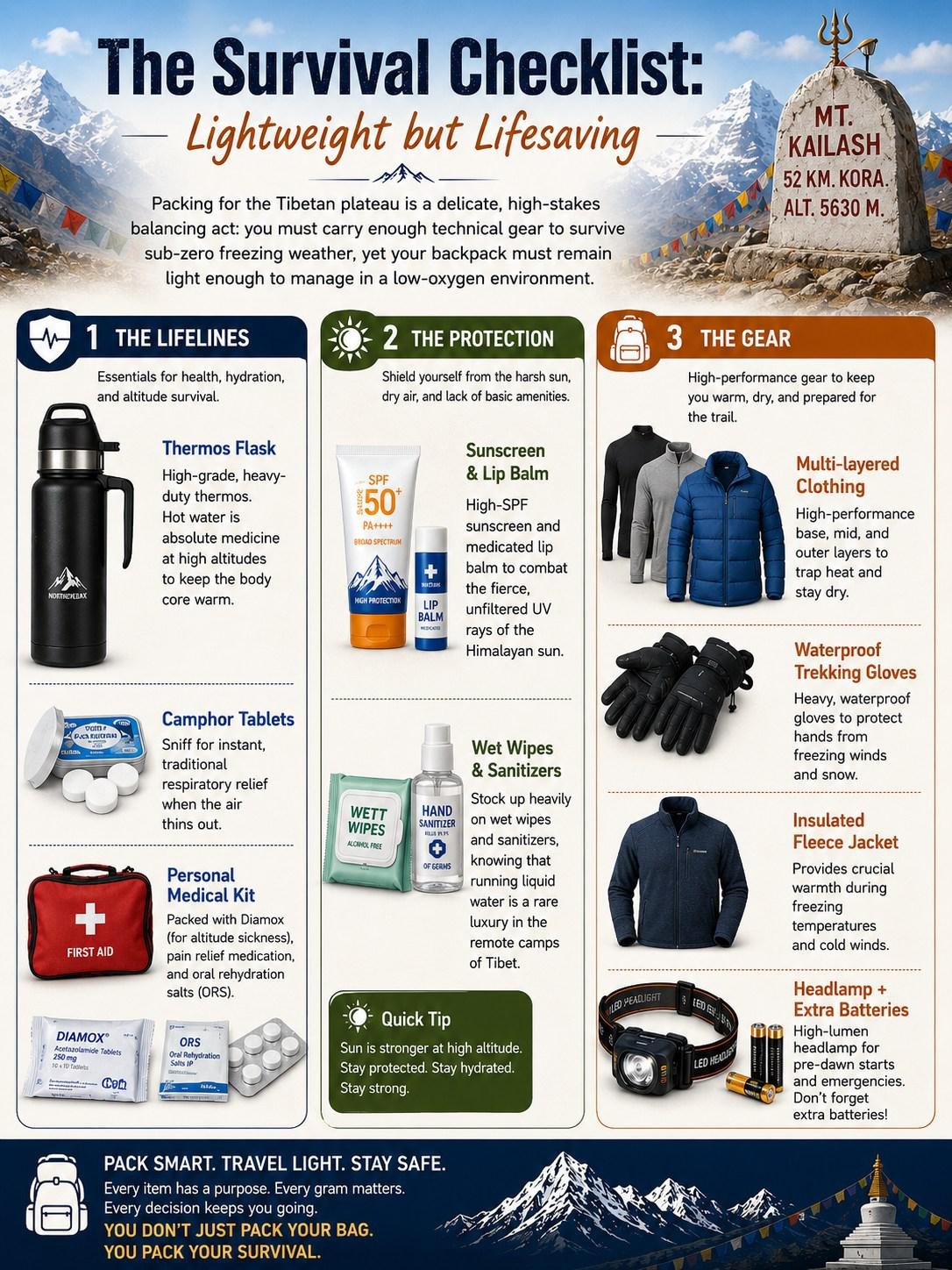
As the final departure date drew closer, the Yogi Trails operators provided a check-list of essentials. Packing for the Tibetan plateau is a delicate, high-stakes balancing act: you must carry enough technical gear to survive sub-zero freezing weather, yet your backpack must remain light enough to manage in a low-oxygen environment.
Our specialized shopping list quickly expanded into three distinct categories of survival:
- The Lifelines: A high-grade, heavy-duty thermos flask-because hot water is absolute medicine at high altitudes to keep the body core warm. I also packed camphor tablets to sniff for instant, traditional respiratory relief when the air thins out, alongside a comprehensive personal medical kit packed with Diamox (for altitude sickness), pain relief medication and oral rehydration salts (ORS).
- The Protection: High-SPF sunscreen and medicated lip balm to combat the fierce, unfiltered UV rays of the Himalayan sun. I also stocked up heavily on wet wipes and sanitizers, knowing that running liquid water is a rare luxury in the remote camps of Tibet.
- The Gear: High-performance multi-layered clothing systems, heavy waterproof trekking gloves, an insulated fleece jacket and a reliable, high-lumen headlamp with extra batteries for the freezing, pre-dawn starts on the trail
Chapter 4: The Final Clearance
The Crumbling Wall: Visas Approved, just days before our scheduled departure, the long-awaited notification flashed on our mobile screens: Passports received with group visas.
The relief was indescribable. The final, daunting bureaucratic wall had officially crumbled and the agonizing wait was over. Holding my physical Passport again-now document stamped with the official entry clearances-made the reality sink in. My bags were packed, documents were legally locked in and we all are officially cleared to fly toward Kathmandu.
Charting Our Own Course: The Delhi-Kathmandu Route
When the final group itinerary arrived from Yogi Trails, we noticed a distinct split in the logistics. The vast majority of the pilgrims were scheduled to catch flights to Gorakhpur and proceed overland across the border, The agencies like Yogi Trails split itineraries for large groups heading to Nepal or the Kailas region, when you go via the overland border crossings (like Sonauli near Gorakhpur), an Indian Voter ID card or a valid Indian Passport is mandatory to cross the border into Nepal, because a few people in our subgroup lacked a Voter ID card, Yogi Trails split our logistics based on rigid cross-border document rules. The split itinerary resolves this issue based on our route of transit.
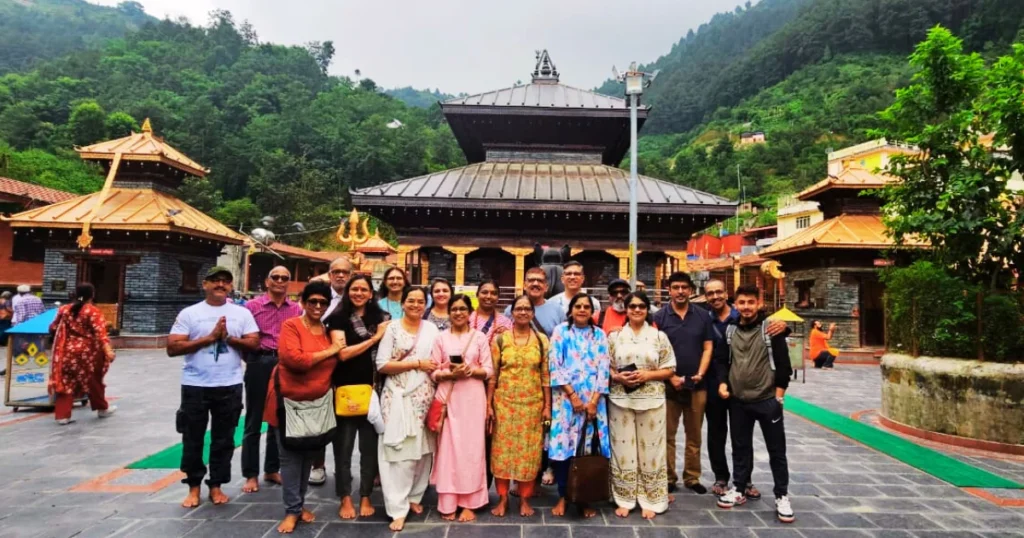
VGK Iyer and I were one of the few who were not having the voters ID, so we decided to fly from our hometown up to New Delhi and then catching an international flight directly into Kathmandu’s Tribhuvan International Airport.
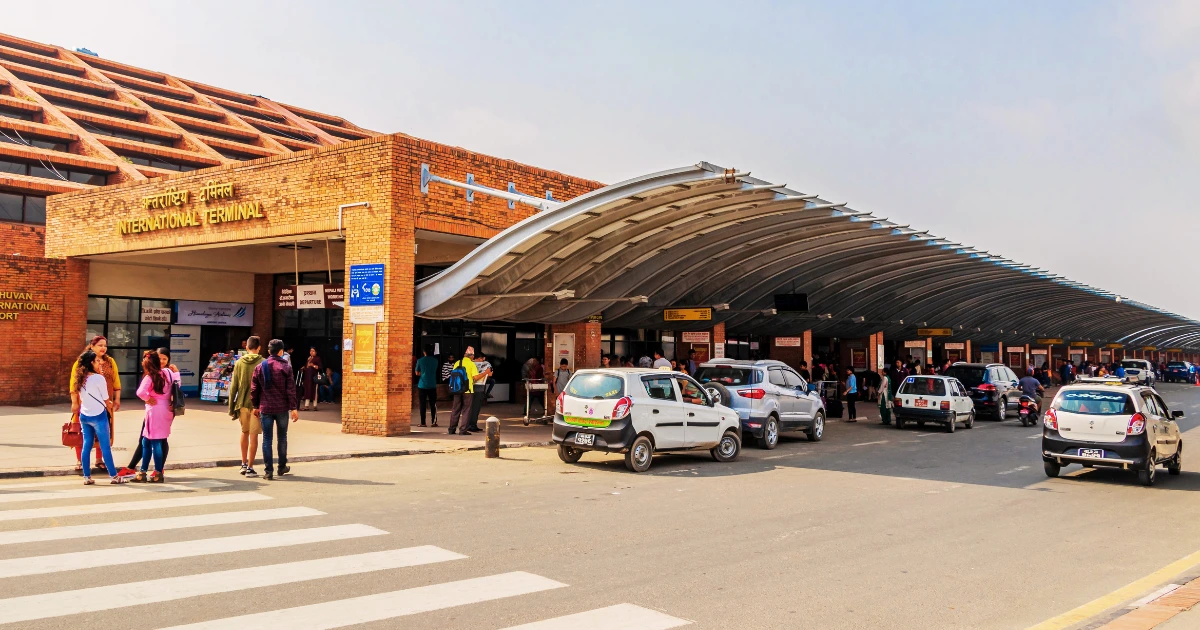
This decision gave us a distinct sense of independence. Long before we would ever meet the larger travel group at the assembly hotel, our journey had already transformed into a focused, self-reliant, two-man expedition
The 15-Day Cosmic Window
Seeing those locked-in dates on our flight tickets made the entire timeline undeniably real. We had exactly 15 days to journey to the rooftop of the world and back.
This specific late-May to early-June window was strategically crucial. It meant we would be trekking precisely as the harsh, unforgiving Himalayan winter was breaking, catching the optimal weather window to cross the treacherous high altitude passes before the monsoon clouds arrived.
The countdown now had an absolute start date. On May 20th, our regular lives would completely pause and our grand adventure would begin.
Sourcing the Three-Tier Currency Blueprint
When traveling on a multi-border international pilgrimage like the Kailas Yatra, navigating foreign exchange requires a very specific setup. You cannot rely on a single currency or digital network when crossing remote terrains.
Yogi Trails were arranging the currency exchange via their known exchanges, but VGK and I decided to handle our finances well before we left and we decided to get it done right in our hometown.
We visited an authorized local forex dealer and officially converted our Indian Rupees into two essential international currencies: Chinese Yuan (RMB) and US Dollars (USD).
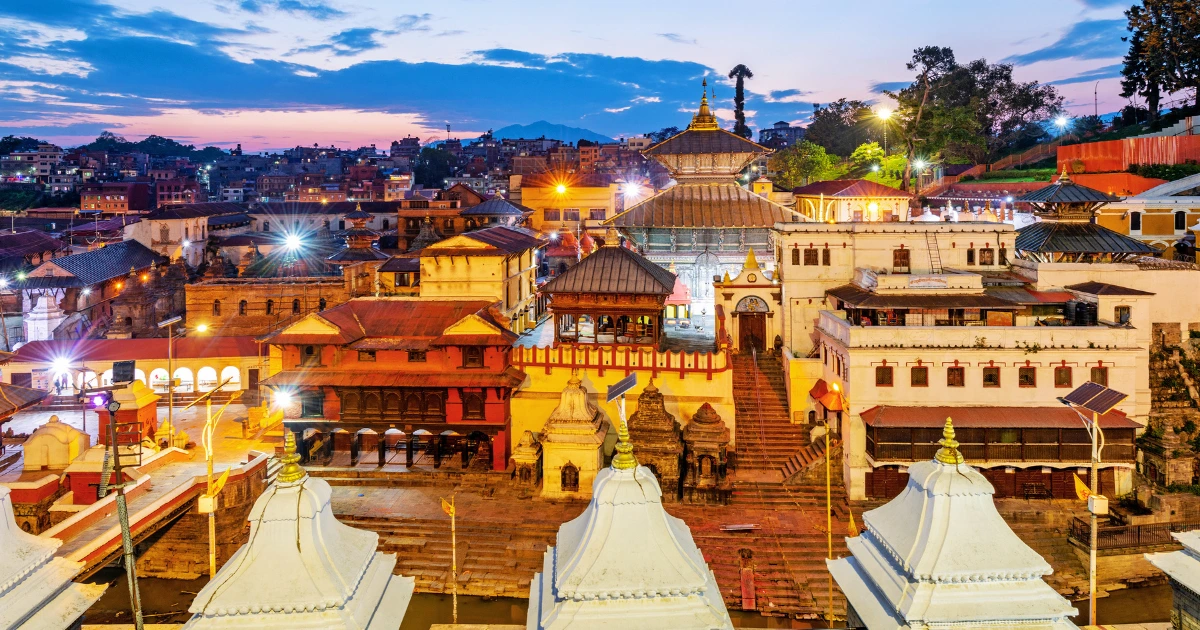
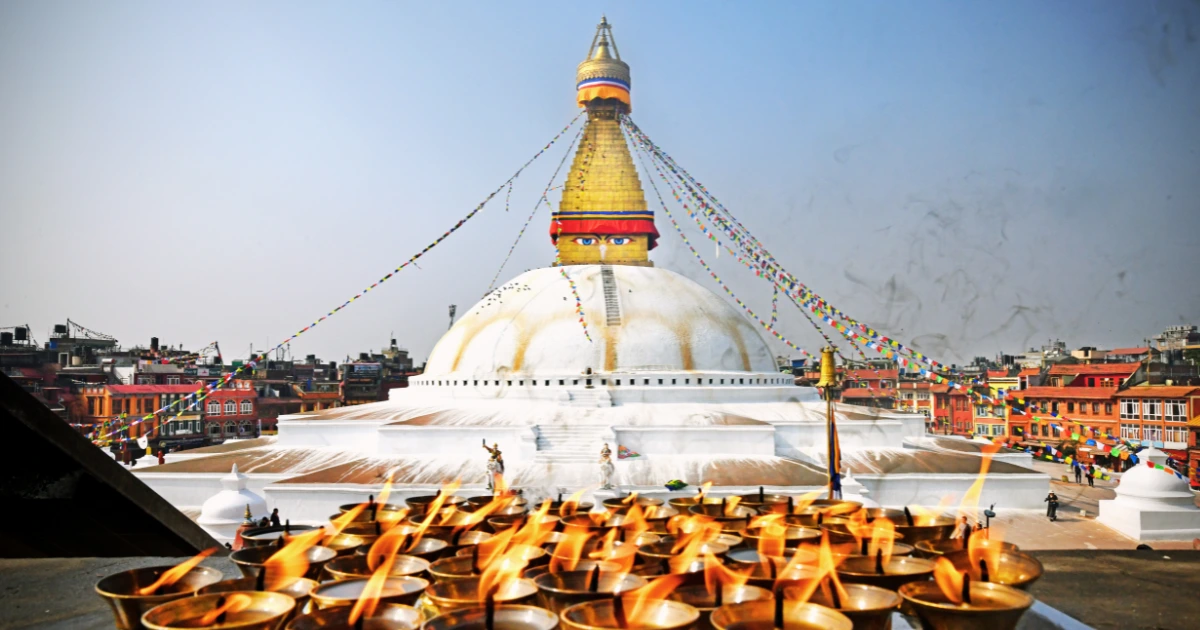
Walking out of the bank with fresh international currency notes in my wallet was a surreal feeling. It was a tangible reminder that we were leaving the familiar behind and stepping onto international soil. With our money securely exchanged, our bags packed and our minds focused, we were completely self-reliant and ready to fly. Counting out three entirely different currencies on my desk at home was a dreamlike moment. It made me realize the massive scale of the international logistics required just to get us to the mountain. Next stop at Kathmandu.